Blogs

Nourishing Authenticity: Exploring Eating Disorders in LGBTQ+ Individuals

Introduction

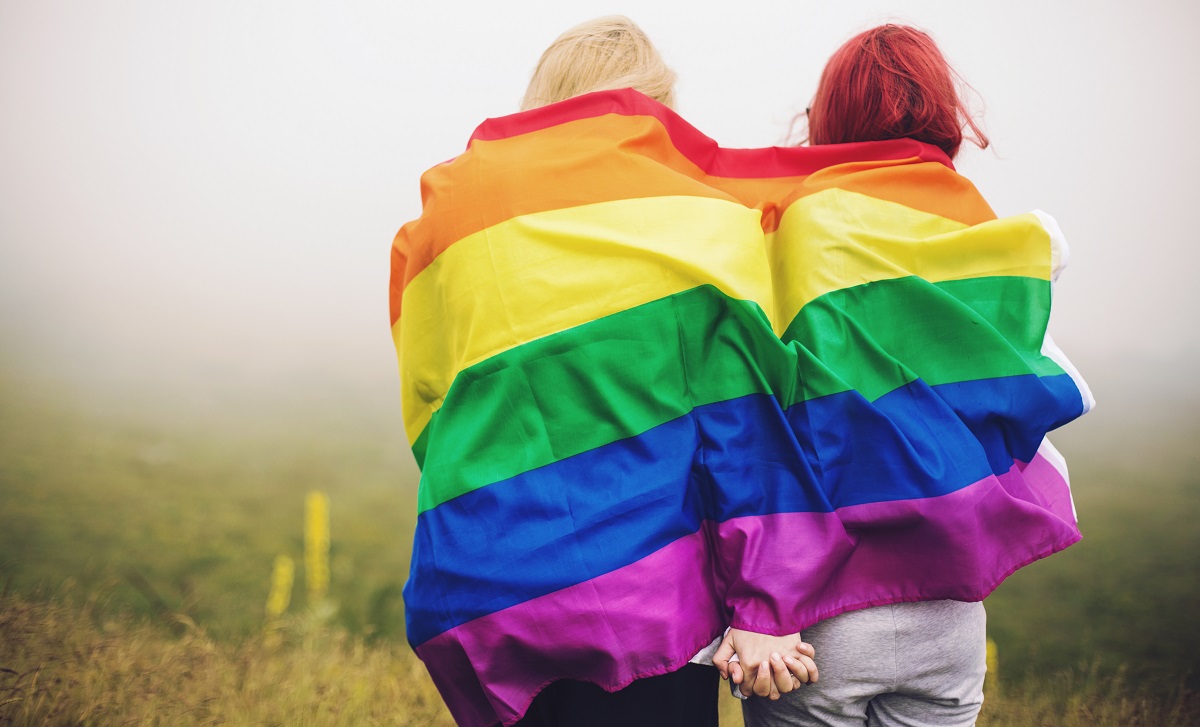
In a world that's becoming more colorful and inclusive, it's time we shine a light on a lesser-known struggle within the LGBTQ+ community – eating disorders. These mental health conditions don't discriminate based on sexual orientation or gender identity, and it's high time we explore the intricate connection between these disorders and the LGBTQ+ experience. So, get ready to unpack the factors contributing to this issue, understand the power of support and acceptance, and join us in creating a world that nourishes and celebrates everyone.

In this blog, we will delve into the factors contributing to eating disorders in LGBTQ+ individuals, the importance of support and acceptance, and how we can foster a more inclusive and nourishing environment for all.

The Struggle for Acceptance

LGBTQ+ individuals often face societal pressures and expectations that can contribute to body image concerns and feelings of inadequacy. Society's narrow definition of beauty, often fueled by heteronormative standards, can lead to internalized homophobia or transphobia, which in turn can trigger disordered eating behaviors. The fear of rejection or not conforming to societal norms can intensify the vulnerability of LGBTQ+ individuals to develop eating disorders.

The Role of Minority Stress

Minority stress refers to the chronic stress experienced by individuals from stigmatized groups due to prejudice, discrimination, and societal marginalization. LGBTQ+ individuals may encounter minority stress related to their sexual orientation or gender identity, which can have a significant impact on their mental health. This stress can manifest as body dissatisfaction, body shame, and an increased risk of developing eating disorders as a means of regaining control or conforming to societal expectations.
Intersectionality Matters

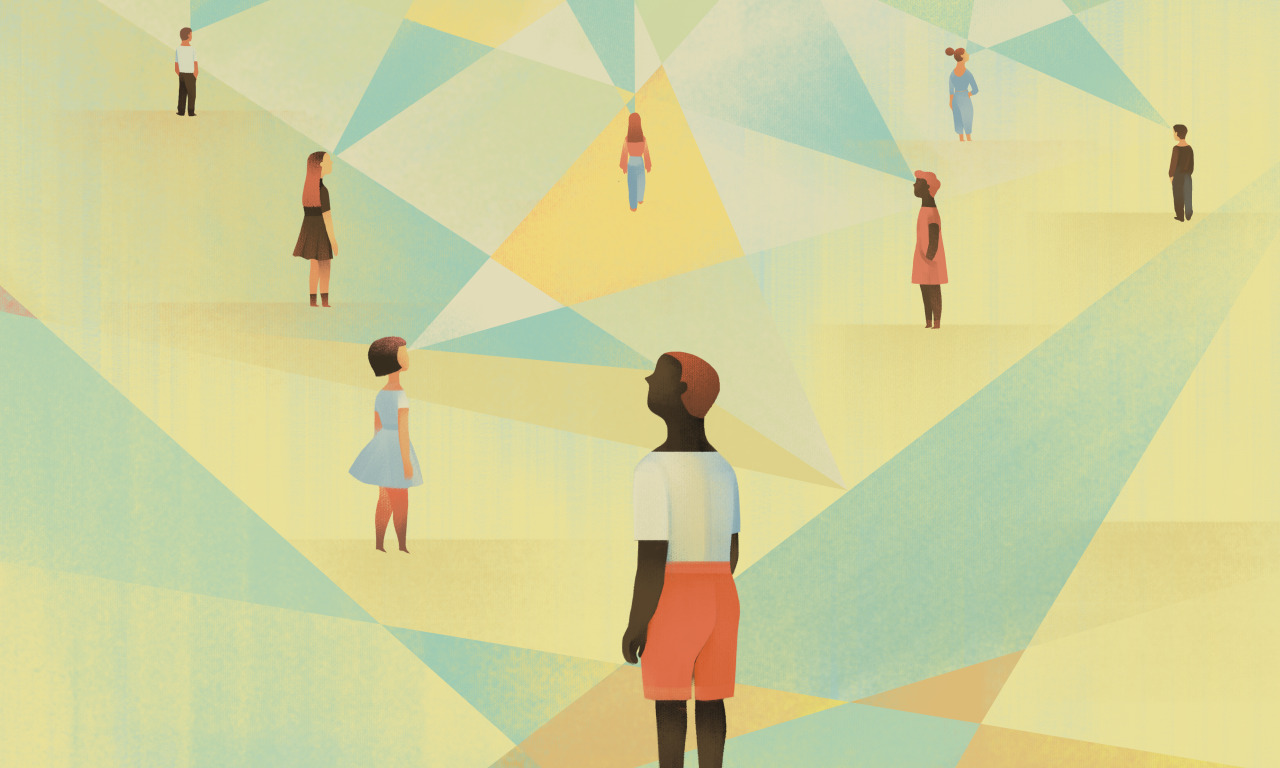
The experiences of LGBTQ+ individuals are diverse and intersectional, encompassing various racial, ethnic, and cultural backgrounds. It is essential to recognize the unique challenges faced by LGBTQ+ individuals of color, who may face additional pressures related to race, culture, and body ideals. Understanding and addressing the intersectionality of identities is crucial in providing effective support and treatment for eating disorders within the LGBTQ+ community.
Building Supportive Communities

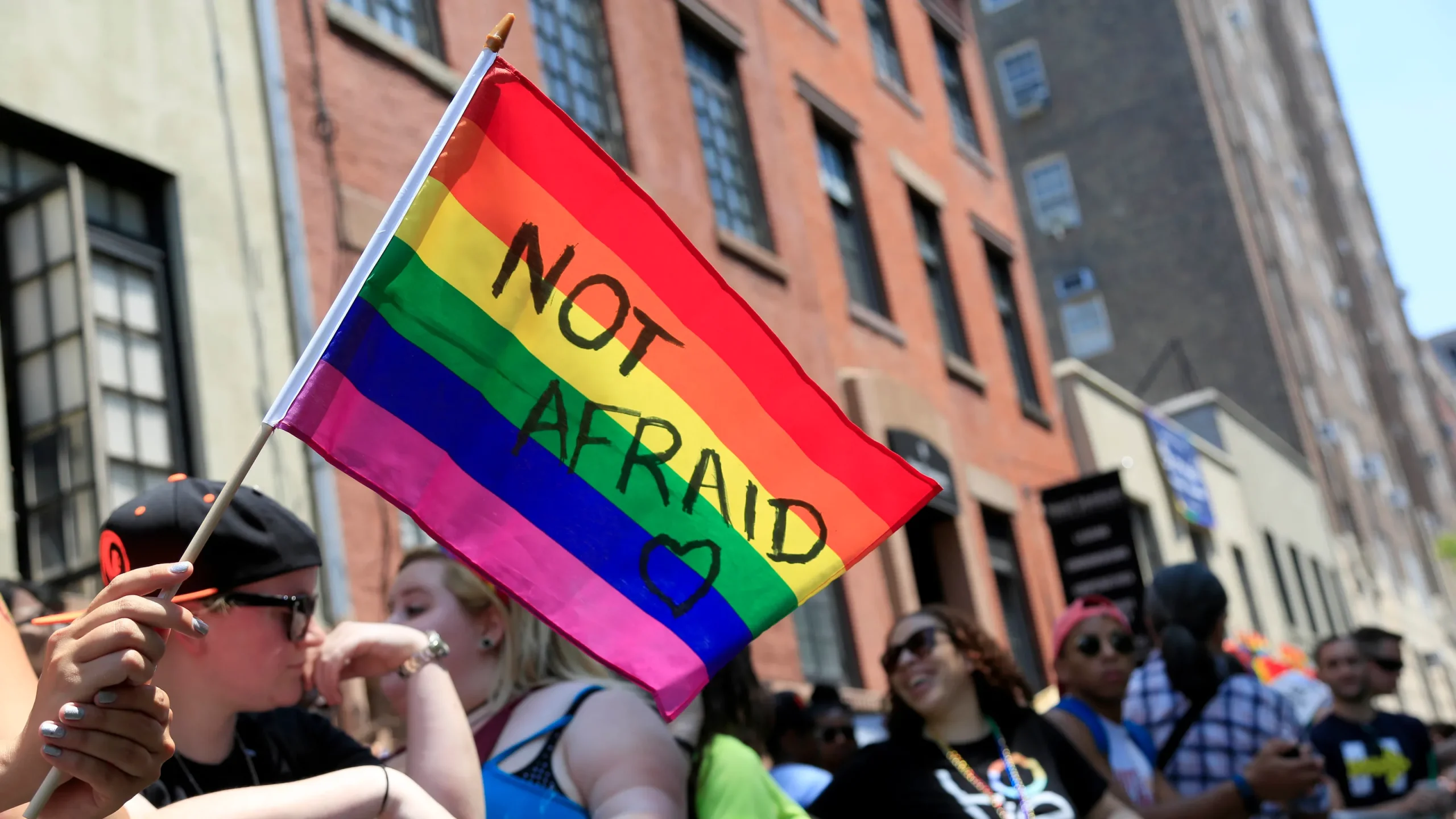
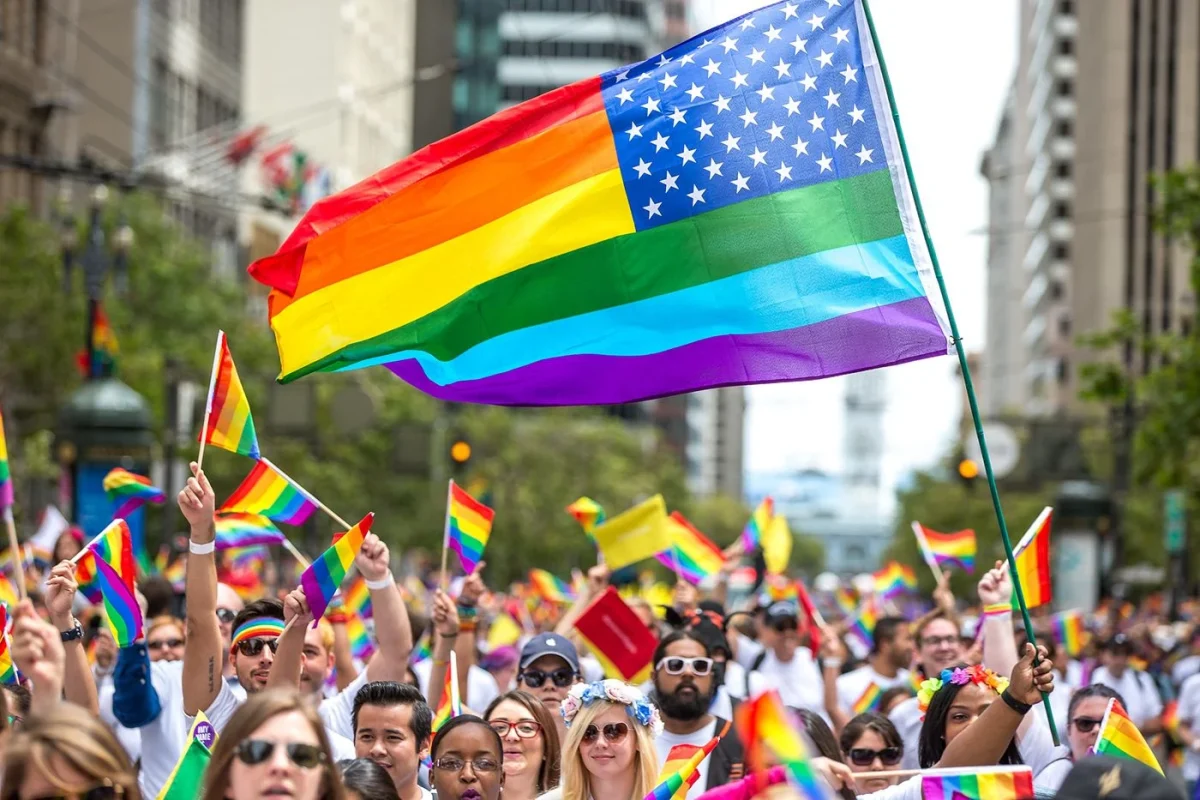
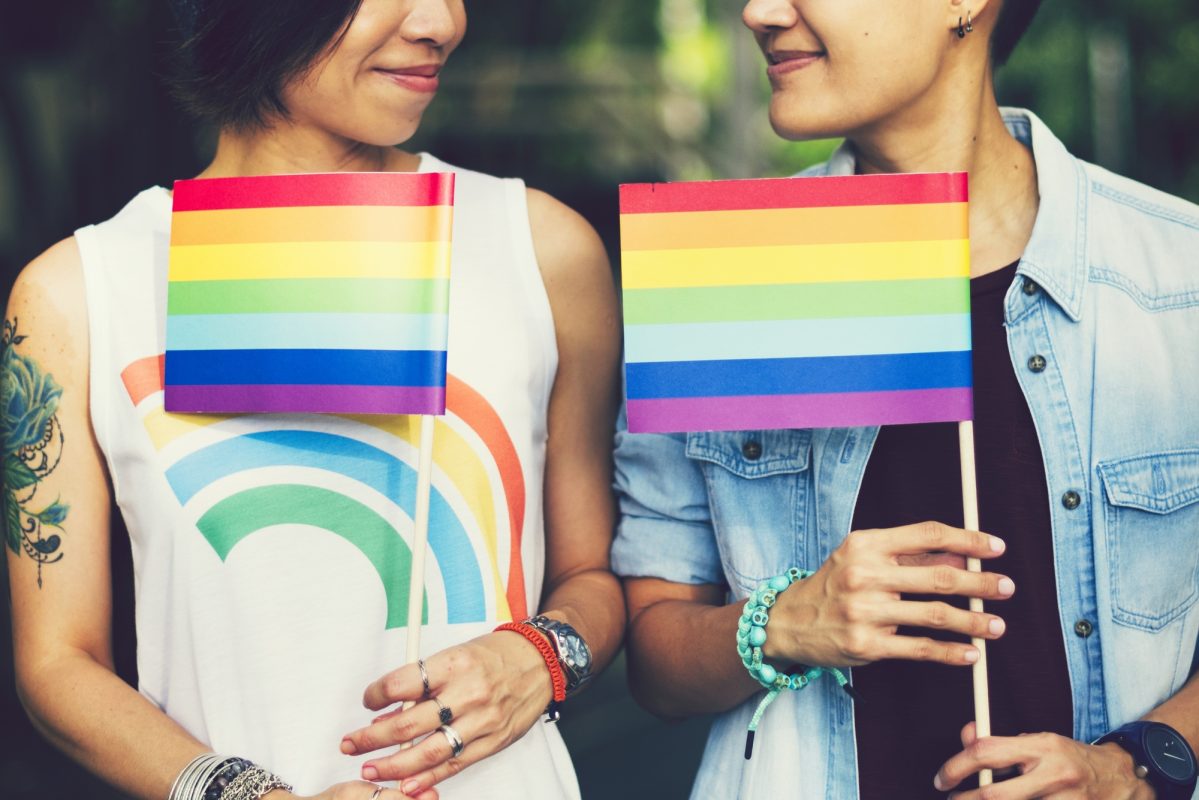
Creating safe and inclusive spaces where LGBTQ+ individuals can openly discuss their experiences with eating disorders is essential. Supportive communities, both online and offline, can provide a sense of belonging, validation, and understanding. LGBTQ+ organizations, mental health professionals, and support groups can play a vital role in offering culturally sensitive care, resources, and guidance for individuals struggling with eating disorders.

Advocating for Change

To combat the high rates of eating disorders in the LGBTQ+ community, it is vital to challenge societal norms, promote body positivity, and foster acceptance and inclusivity. This includes raising awareness about the intersection of LGBTQ+ identities and eating disorders, advocating for inclusive healthcare practices, and working towards eliminating stigma and discrimination.

Conclusion

Nurturing a society that embraces diversity and supports the well-being of LGBTQ+ individuals requires acknowledging the unique challenges they face, including the increased risk of eating disorders. By promoting acceptance, providing resources, and fostering inclusive communities, we can create an environment where LGBTQ+ individuals feel empowered, accepted, and supported in their journey toward recovery and self-love. Let us work together to nourish authenticity, celebrate diversity, and create a future where everyone feels seen, heard, and valued.

Remember, seeking professional help is crucial if you or someone you know is struggling with an eating disorder. Reach out to healthcare providers, mental health organizations, or helplines specializing in eating disorders to find the support you need. You are not alone, and recovery is possible.

Leave a Reply

Your email address will not be published. Required fields are marked *